


Since Instagram launched Reels in 2020, and TikTok solidified its position in short-form content back in 2018, shooting vertical videos has become an industry mainstay. In 2021, YouTube joined the trend with Shorts, further cementing the popularity of vertical formats. Filmmakers who have worked with traditional 16:9 aspect ratios for decades now face the challenge of adapting to the 9:16 vertical orientation, which is not just a fleeting trend—it’s here to stay.
Why Vertical Shooting Matters
Statistics reveal the dominance of vertical video consumption: 82% of internet users prefer vertical content on their phones, and Instagram Stories and Reels can achieve up to 80% higher engagement in this format. Platforms like TikTok and YouTube Shorts generate billions of views daily, reinforcing the need for filmmakers to embrace shooting vertical.
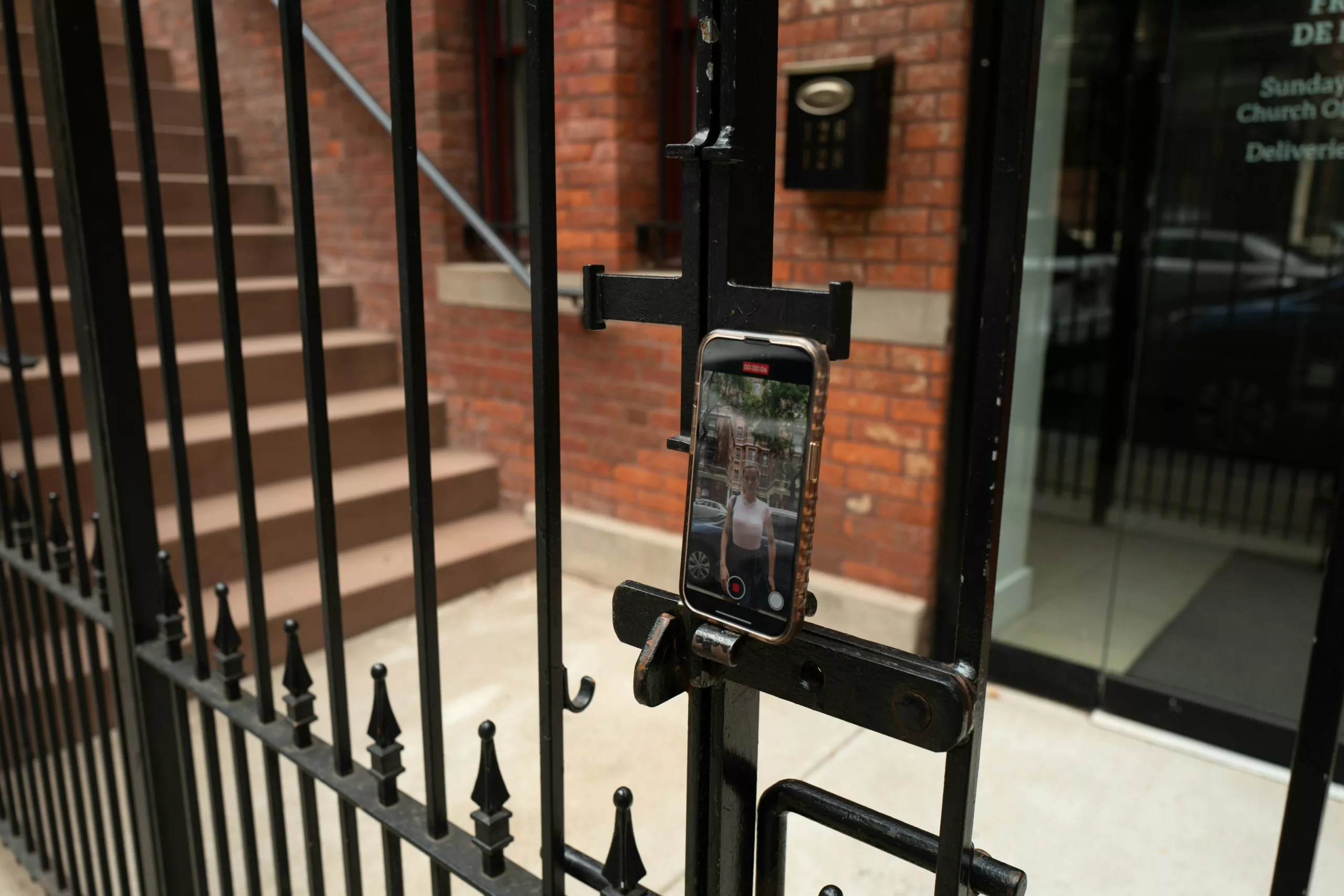
Methods for Creating Vertical Content
There are two primary approaches to shooting vertical content. The first involves cropping a 4K/16:9 video into a 9:16 format. While this method allows for simultaneous shooting in both aspect ratios, it often leads to compromised quality and suboptimal framing. Static tripod shots may work, but handheld or gimbal shots exacerbate the difficulty of framing for both outputs.
The second, more effective method is turning the camera 90° to capture vertical video directly. This approach ensures better framing, as what you see during filming matches the final output. Additionally, this technique maximizes resolution and sharpness, particularly when uploading in 1080p, which is recommended for platforms like Instagram.
Challenges in Vertical Shooting
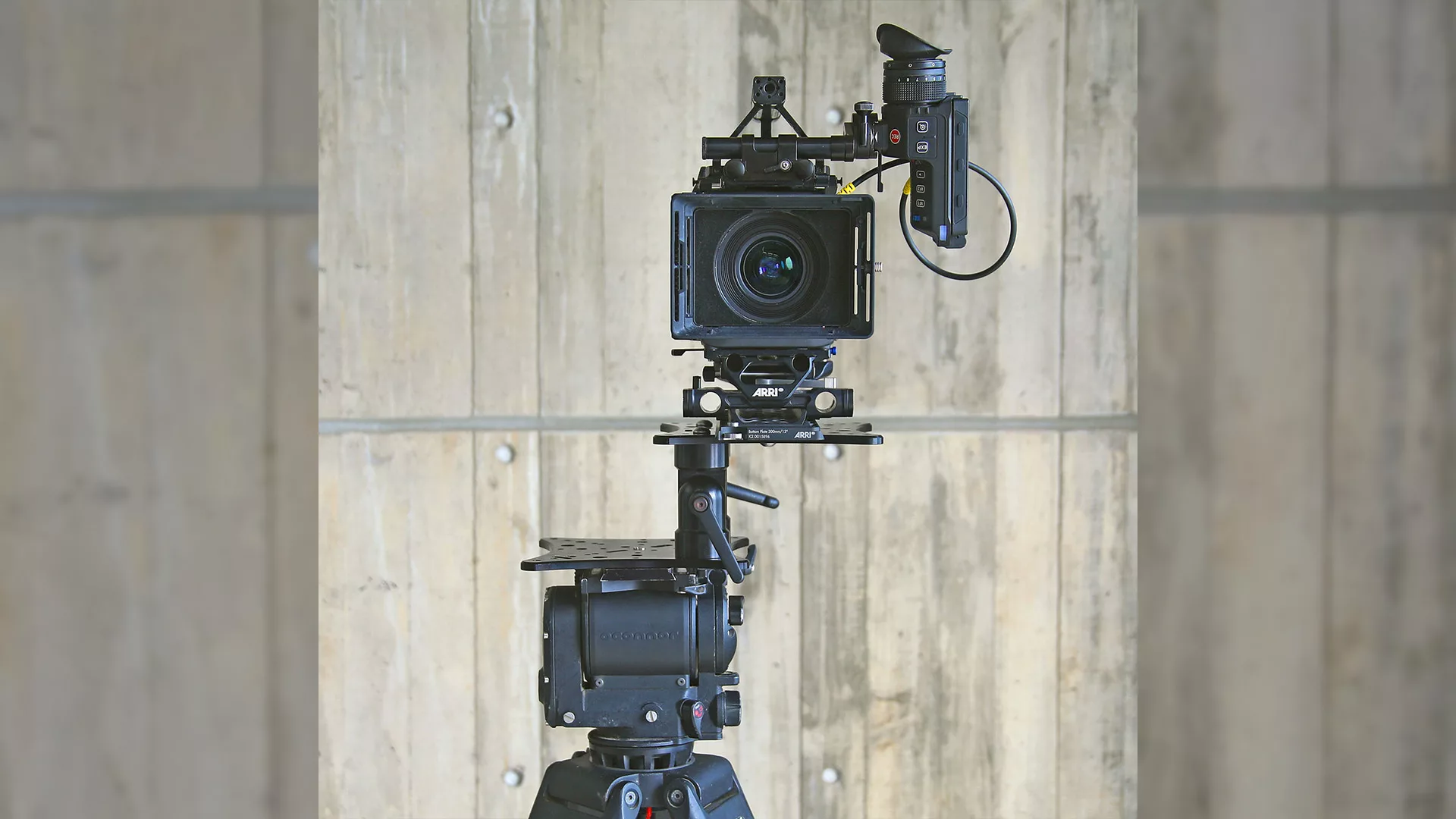
Despite its advantages, shooting vertical presents several challenges. Most mirrorless and cinema cameras are designed for horizontal use, making vertical setups cumbersome. Input/output ports, buttons, and screens often end up in awkward positions, leading to impractical and unwieldy rigs.
Third-party solutions, like the RigWheels 90-degree vertical mount, Tilta’s foldable Arca baseplate, and Bright Tangerine’s portrait plate, help address some of these issues. Camera cages with side mounting points also allow for quick-release plate attachments. Yet, even with these tools, adding accessories like wireless microphone receivers, monitors, and video transmitters can create a bulky and complex rig.
Manufacturer Adaptations
Camera manufacturers are beginning to recognize the demand for vertical shooting. Canon, for instance, added extra 1/4”-20 mounting points on the EOS C70 and EOS C80 models, enabling easier vertical setups. Some cameras now also rotate their user interfaces to align with the vertical orientation. However, these improvements fall short of addressing the ergonomic problems fully. Input/output ports and screens remain inconveniently placed, and flip-out displays, though helpful, remain prone to damage during vertical shoots.
Envisioning the Future of Vertical Shooting
To truly streamline vertical shooting, manufacturers could innovate by introducing cameras with vertical image sensors or rotating sensors, similar to what recent DJI drones offer. These designs would allow for a more ergonomic camera shape and improved usability. While such advancements may incur additional costs, many filmmakers would welcome the trade-off for convenience and efficiency.
Conclusion
As the demand for vertical content continues to grow, filmmakers must adapt their techniques and gear to meet audience expectations. Although third-party solutions provide some relief, the industry still awaits a comprehensive answer to the challenges of shooting vertical. Could cameras with rotating or vertical sensors be the future? Time will tell, but for now, filmmakers continue to innovate with the tools at their disposal.