

Meta has announced a new initiative aimed at addressing the growing issue of deepfake celebrity ads through the use of facial recognition technology. This tech will help detect and prevent the spread of fraudulent ads featuring famous personalities across its platforms. Initially, Meta will roll out this feature to a select group of 50,000 celebrities and public figures globally, starting in December. The program operates on an opt-out basis, giving participants the option to withdraw if they choose.
The Problem: Rise of Deepfake Celebrity Scams
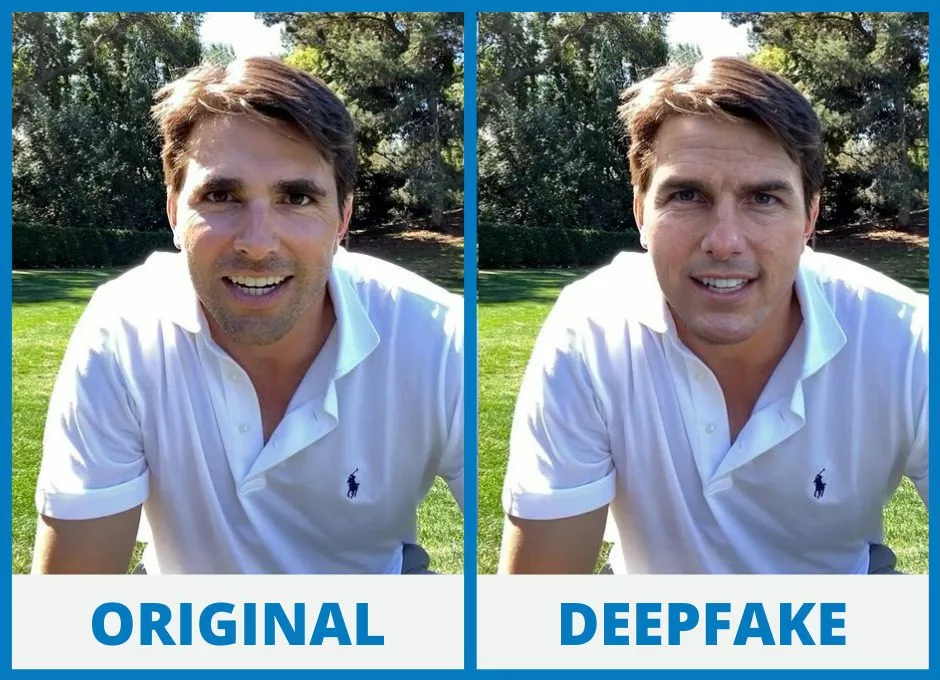
Deepfakes have become a significant issue, particularly in the form of scam ads involving celebrities. Scammers use the likeness of high-profile figures in ads to trick users into visiting scam websites, where they are asked for personal information or even money. This tactic, called “celeb-bait,” is a direct violation of Meta’s policies and poses a risk to users. According to Monika Bickert, Meta’s Vice President of Content Policy, these ads are made to look so real that they often fool users into thinking they are legitimate.

Meta’s Solution: Facial Recognition Technology
To combat this issue, Meta will use facial recognition technology to compare flagged images from questionable ads with celebrities’ profile photos on Facebook and Instagram. If a match is found and the ad is determined to be a scam, it will be swiftly removed. Initial trials of this system with a small pool of celebrities have yielded positive results, showing increased speed and accuracy in detecting deepfake ads and enforcing the platform’s policies.
Expansion of the Program
Meta plans to expand this protection to a broader group of public figures affected by “celeb-bait” scams in the coming weeks. These individuals will receive in-app notifications, informing them that they’ve been enrolled in this program, with the option to opt out if they wish.
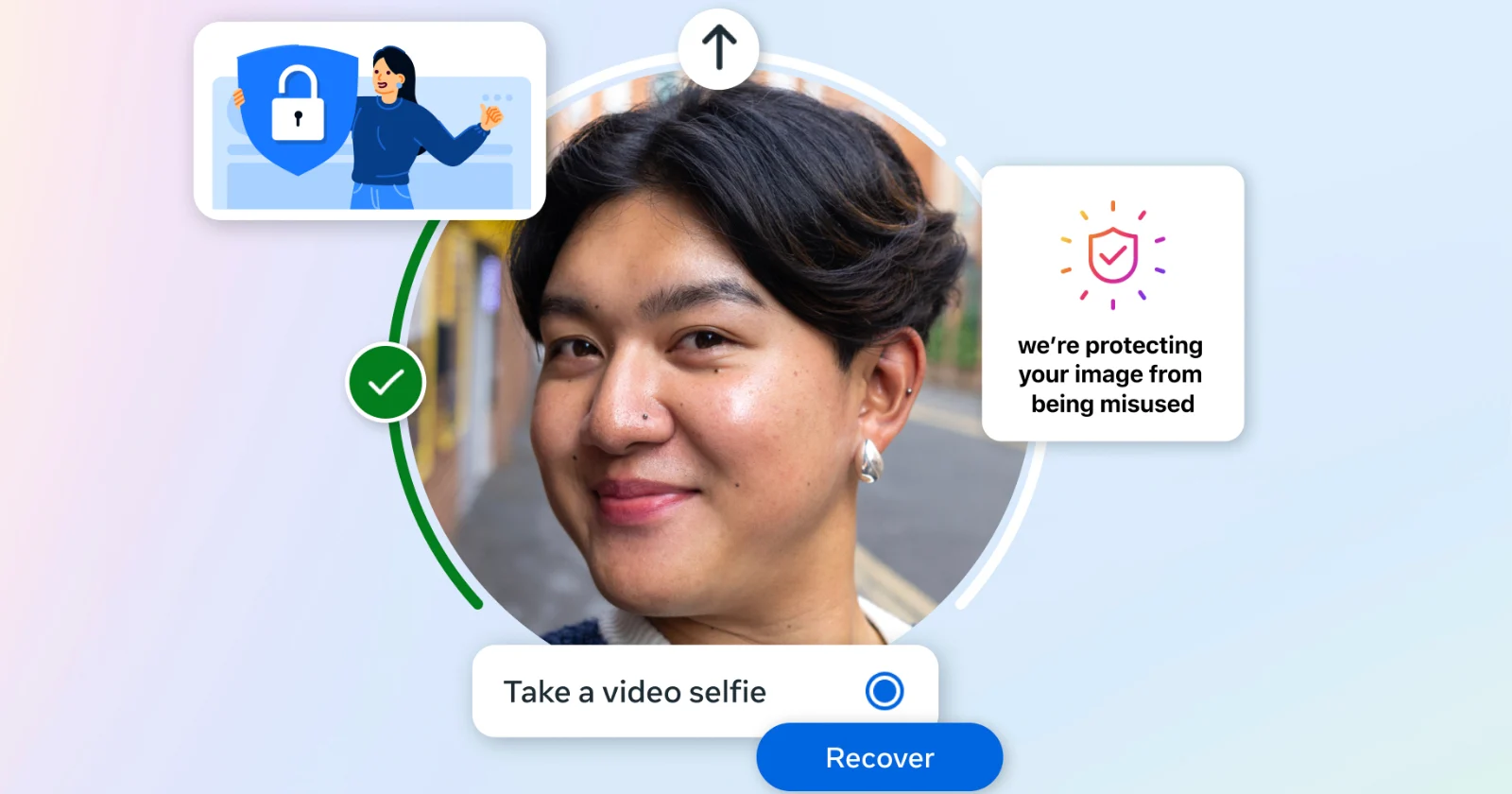
In addition to fighting deepfake scams, Meta is testing facial recognition technology to help users regain access to compromised accounts. If a user loses access to their Facebook or Instagram account, they’ll be asked to upload a video selfie. Meta’s system will then compare this selfie with the profile pictures associated with the account to verify the user’s identity and restore access.
Video Selfie Verification: A New Security Tool
Meta’s new video selfie verification feature is designed to make account recovery fast and easy. According to Bickert, “Video selfie verification expands the options for people to regain account access. It only takes a minute to complete and is the easiest way for people to verify their identity.” This tool is part of Meta’s broader strategy to enhance account security and protect users from online scams.
Celebrities and the Fight Against Deepfakes
The rise of deepfakes has impacted celebrities, with stars like Tom Hanks and YouTuber MrBeast having to publicly warn fans about AI-generated fake ads using their likenesses. Meta’s facial recognition technology aims to protect both celebrities and everyday users from being exploited by these fraudulent schemes.